
The Nature of Gambling
Gambling is inherently a game of chance. While skill can certainly play a role, particularly in games like poker, the fundamental nature of many gambling scenarios is rooted in randomness. Players place their bets with a hope for favorable outcomes, which are often determined by luck. This unpredictability is what makes gambling exciting and also precarious. Most games, especially slot machines and roulette, rely heavily on random number generators and chance rather than on the player’s knowledge or experience, as seen in australian online pokies that attract many enthusiasts looking for thrilling experiences.
Consider the example of a roulette wheel. Each spin is independent, and while some players may claim to have “strategies” that can improve their odds slightly, the outcome is ultimately determined by luck. Each number has an equal chance of being hit regardless of the previous results. This randomness is a double-edged sword; it creates opportunities for sudden windfalls but also ensures that losses can be swift and unexpected. Therefore, luck is the critical factor that dictates the outcome far more than any acquired skill might.
This relationship between luck and gambling underscores the importance of entertainment in these games. When individuals enter a casino or place bets online, they are often seeking not just the thrill of winning but also the excitement of an unpredictable experience. The allure of luck adds a layer of suspense, making a simple game of chance into a memorable event. As a result, the role of luck cannot be overstated, as it keeps players engaged and hopeful, even when faced with the potential for loss.
The Role of Skill in Gambling
While luck is a predominant force in gambling, skill certainly has its place, especially in certain games. For example, in poker, the ability to read opponents, understand betting patterns, and employ strategies can significantly impact a player’s success. This skill-based aspect can create the illusion that consistent players can “beat the odds.” However, even the most skilled player will occasionally leave the table empty-handed, as luck can shift dramatically at any moment during a session.
Moreover, in games like blackjack, knowing when to hit or stand can improve a player’s chances of winning. Yet, even with perfect strategy, players cannot outsmart the randomness of card distribution. There are countless scenarios where a well-calculated move can lead to defeat simply due to an unfavorable draw. Such unpredictability emphasizes that skill, while valuable, can only go so far in the face of luck’s unpredictive nature.
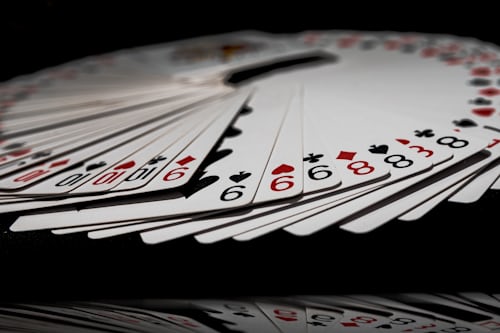
This creates a fascinating dynamic in gambling where skill can influence the long-term results, but individual sessions are dictated by chance. Thus, while it is tempting for players to rely heavily on their skill set, they must also acknowledge the overwhelming effect that luck has on the outcome of their gambling experience. This balance is crucial for maintaining a healthy perspective on the activity and preventing frustration or unrealistic expectations.
The Psychology of Luck in Gambling
The psychological impact of luck in gambling is profound. Players often attribute their wins to luck while blaming losses on bad luck or unfavorable conditions. This cognitive bias can lead to a skewed perception of reality, where individuals believe they can harness luck through certain rituals or behaviors, such as wearing lucky clothing or performing specific actions before placing a bet. Such beliefs can enhance the overall experience, making gambling more enjoyable but also potentially fostering a false sense of control over outcomes.
This psychological twist can manifest in behaviors such as chasing losses, where players continue to gamble in hopes of the next big win, convinced that luck will swing back in their favor. This pursuit can lead to detrimental consequences, including financial ruin and addiction. The allure of a lucky streak can be irresistible, but it often clouds judgment and leads players to underestimate the risks associated with gambling. Understanding this psychology is essential for anyone engaging in gambling activities.
Moreover, casinos and gambling platforms often leverage this psychology to enhance player engagement. From bonus rounds to jackpot announcements, they create an environment where luck feels tangible and achievable. The thrill of anticipating a lucky outcome can keep players returning, even when the odds are not in their favor. Hence, the psychology surrounding luck is not only critical for players but also for the structure and marketing of gambling establishments.
The Influence of Randomness and Odds
At its core, gambling revolves around probability. The odds of winning vary widely depending on the game or the bet placed, but the element of chance remains constant. For example, in a game like slot machines, the return to player (RTP) percentages are predetermined, and players must understand that luck alone will determine when or if they’ll experience a win. The randomness of results means that past outcomes do not influence future results, a concept that many players struggle to accept.
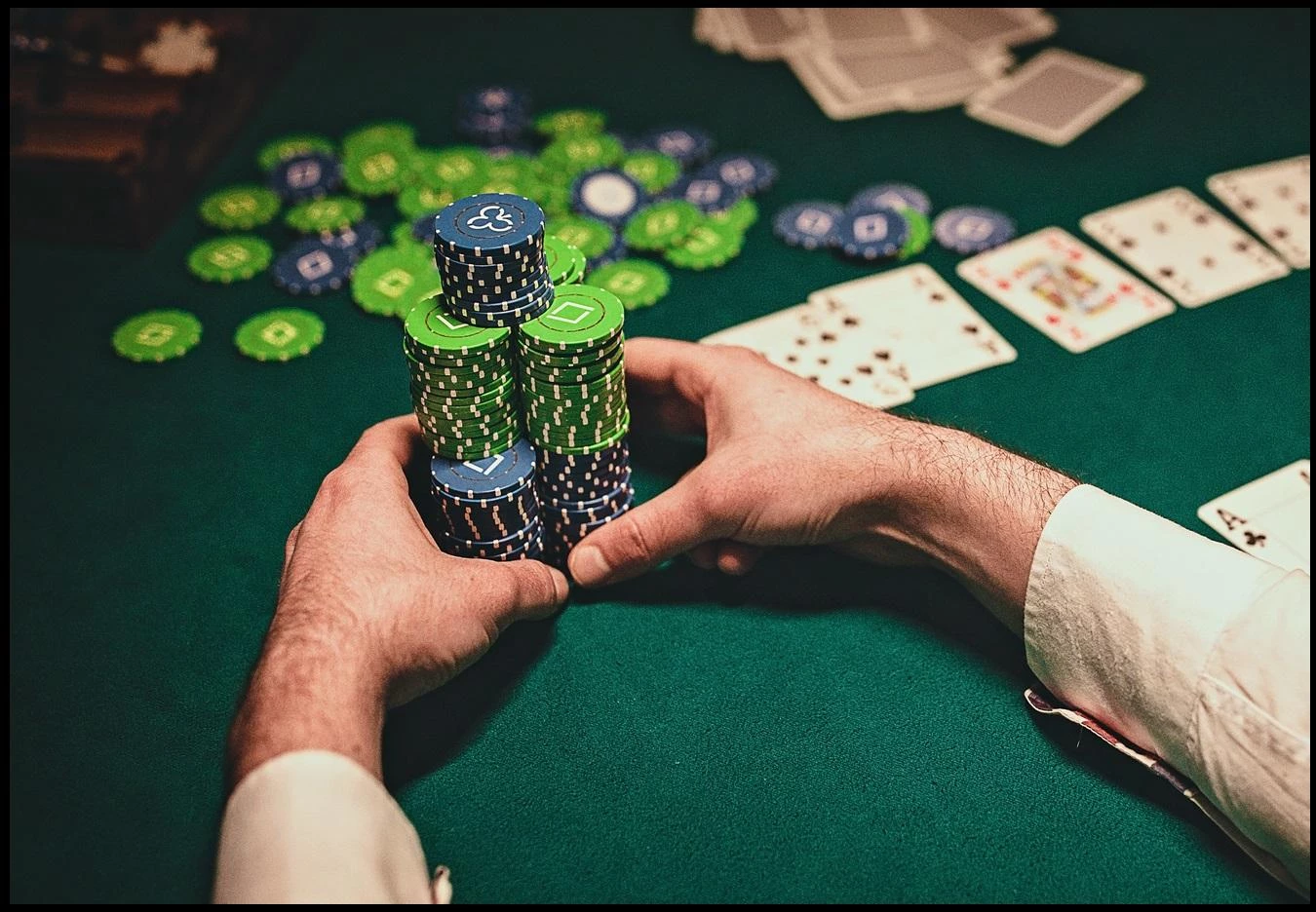
This concept of randomness extends beyond the player’s experience. It is embedded in the mechanics of the games themselves, which are designed to ensure that luck plays a crucial role. For instance, while skilled players may employ strategies to maximize their chances in games like blackjack, they must still contend with the inherent randomness of the deck. Thus, understanding and accepting the role of luck in the context of odds and randomness is key for responsible gambling.
Another notable aspect is that players often gravitate towards games with higher variance for the potential of larger wins despite the associated higher risks. Here, luck plays a monumental role, as the higher the variance, the more unpredictable the outcomes become. By acknowledging the intricacies of chance and randomness, players can better navigate their gambling choices and maintain a balanced approach that blends enjoyment with responsibility.
Conclusion
In conclusion, while skill can influence certain aspects of gambling, luck ultimately reigns supreme in determining outcomes. The unpredictable nature of chance makes gambling a unique form of entertainment, inviting players to embrace the thrill of uncertainty. Recognizing that luck is a critical component helps in understanding the complexities of this pastime, where even the most skilled players can experience losses due to sheer randomness.
The relationship between luck and gambling underscores the importance of maintaining a healthy perspective on the activity. Engaging in gambling can be enjoyable and thrilling, but players must remain aware of the risks associated with it. Embracing the unpredictability of luck while respecting the need for responsible gambling behaviors can create a more positive and fulfilling experience.
For those interested in exploring the world of gambling further, understanding the balance between luck and skill is essential. By equipping oneself with knowledge about odds, randomness, and the psychological aspects of gambling, players can approach their experiences more thoughtfully. This approach not only enhances enjoyment but also helps cultivate responsible gambling habits for a sustainable and entertaining experience.